
Use casesConstruction
Take-off
Radiators, valves, fittings and pipe runs counted and measured across the whole set of drawings, with each number linked to the place on the sheet it came from.

01
Summary
A building services bid is priced from a count. Before each tender someone goes through the drawings sheet by sheet, counting radiators, valves and fittings and measuring every pipe run, then starts again when corrected drawings arrive. Whatever nobody had time to count is priced from experience.
The Take-off colleague reads every sheet of the set, counts each item by type, measures pipe runs by size and links every number to the place on the drawing it came from. Anything it is not sure of becomes a question for a person, never part of the total. On a school tender it counted 31 radiators where the client’s bill of quantities asked for 47.
02
Inputs and outputs
What goes in
- Heating, plumbing, air and electrical plans
- PDF or CAD drawings, as you received them
- The legend drawn on each sheet
- The client’s bill of quantities, for comparison
- Corrected drawings when an addendum arrives
What comes out
- Counts by item type, per sheet and per trade
- Run lengths by size, where the drawing gives one
- Questions on what it could not read with confidence
- A take-off workbook in Excel and PDF
- A link from each number to its place on the sheet
03
How it runs
Step
AI colleague
Your team
01
Read every sheet
Reads the latest issue of every sheet, takes the symbols from each sheet’s legend and places every item it finds.
Sends the drawings and the client’s bill.
02
Count and measure
Counts items by type and measures runs by size on each sheet, and shows the client’s bill beside every number as a second reference.
Opens any number to see where on the drawing it came from.
03
Ask a person
Turns its doubts into questions for a person: symbols not in the legend, runs without a size.
Answers each question, confirming or correcting the item.
04
Approve and issue
Prepares the workbook in Excel and PDF and stops. After an addendum it counts again and shows what changed.
Your head of bids releases it by name.
04
What changes
Task
Today
With Kintric Context
Counting
By hand, sheet by sheet, before each bid
Every sheet of the set, item by item
Checking a number
Search the sheets and count again
One click opens its place on the drawing
Corrected drawings
Count the changed sheets again by hand
A new run shows what changed
The client’s bill
Differences found on site, after pricing
Beside each number, before you price
05
Checks built in
What it doubts goes to a person
What it cannot read with confidence becomes a question, not a count.
Every number traced
Each count and length links to the sheet and region it came from.
Scans are not counted
Scanned sheets go to a person for review and stay out of the totals.
06
Getting started
Send us the drawings of one tender you have already priced. We run the Take-off colleague on them and go through each difference with you.
Martin Studna, co-founder, is your contact.
Send drawings- One set of drawings, as you received them
- The client’s bill of quantities, if there is one
- Your own take-off of the same set, for comparison
Take-off · a finished run
Every number opens on the drawing.
On a school tender it read 17 sheets, counted 31 radiators and measured 231.6 m of heating pipe.

 /Ridgeway Mechanical/Take-off
M-201 · Heating plan, level 131 pcs · 231.6 m of runs
31pcs · heating
231.6m of runs
17sheets
74to verify
Anna Keller, Mark Ellis approve
Related use cases

Spec and BoQ check
The client’s bill checked against the drawings and the technical report, with a drafted question for the client.
Submittal review
Supplier data sheets compared with what the technical report requires, with a drafted comment per deviation.
P&ID take-off
Valves, instruments, equipment and line numbers counted on every P&ID, each item linked to its sheet.Further reading
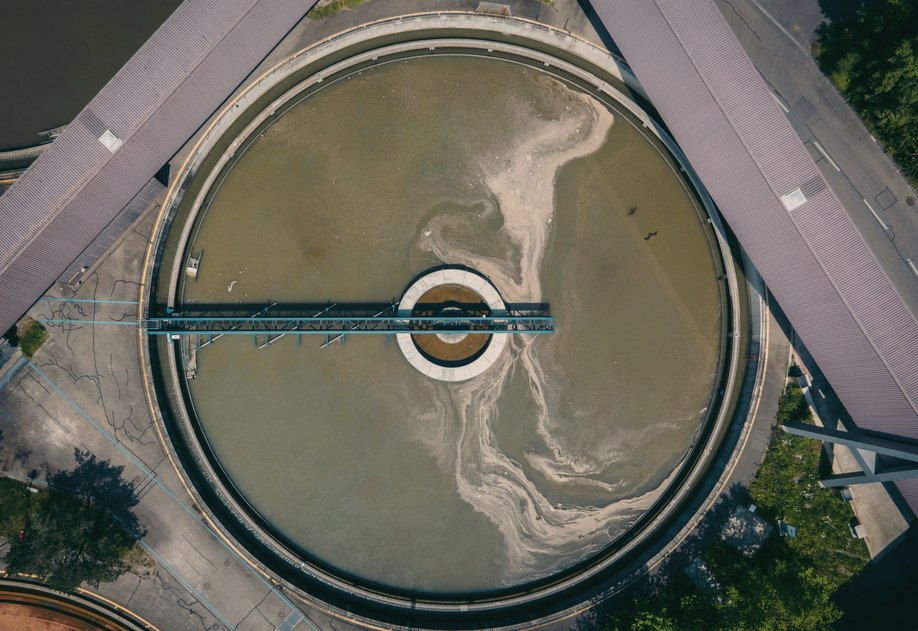
One water treatment plant, read in 92 seconds
The drawings, the equipment table on sheet D.2.1.2 and the bill, and where they disagree.Watch the film
How a pilot runs on one set of drawings
Send one real package as you have it. The colleagues read it; your engineer decides.Read more
Send us one set of drawings. We’ll show you what we find.
One set of drawings is enough to start. Martin Studna, co-founder, is your contact.