
Use casesEvery industry
Ask
Questions about your drawings, documents, e-mail and records answered in plain words, every answer quoting its sources and naming the sheet and revision.

01
Summary
The answer is usually somewhere in the documents: on a sheet, in a report, in a reply from months ago. Finding it means asking the one person who remembers, or opening file after file. When nobody finds it, the question gets answered from memory, and nobody can say where the answer came from.
The Ask colleague answers from what the colleagues have read. Counts and lengths on a named sheet and revision, and what changed between issues, are answered exactly from the register. For everything else it finds the passages that carry the answer and quotes them. When no passage does, it says that it found nothing.
02
Inputs and outputs
What goes in
- Drawings and their registers
- Technical reports and data sheets
- E-mail and its attachments
- Records: registers, work orders, logs
- The results of the other colleagues
What comes out
- A short answer in plain words
- The quoted passages it rests on
- The sheet and revision for every number
- An honest “not found” when nothing fits
- An answer you can share once approved
03
How it runs
Step
AI colleague
Your team
01
Take the question
Reads the question and finds the drawings, documents and records it is about.
Asks in plain words.
02
Answer exactly
Answers counts, lengths and changes between issues from the register, naming the sheet and revision.
Opens any source to check it.
03
Quote the sources
For other questions, quotes the passages that carry the answer, or says it found none.
Reads the answer with its quotes.
04
Share on approval
Shares the answer beyond the person who asked only after a named approver releases it.
Your project manager releases it.
04
What changes
Task
Today
With Kintric Context
Finding an answer
Ask around, open file after file
One question, answered with sources
Trusting it
Depends on who remembered it
Every answer quotes its sources
No answer
A guess that sounds certain
An honest “not found”
Sharing it
Forwarded without a source
Shared once approved, with sources
05
Checks built in
Exact where the register knows
Counts, lengths and changes come straight from the register.
Quotes, not guesses
Every other answer rests on quoted passages only.
“Not found” is an answer
When no passage carries the answer, it says so.
06
Getting started
Send us one project’s drawings and documents, and a few questions your team often asks. We ask them and show you each answer with its sources.
Martin Studna, co-founder, is your contact.
Send drawings- One project’s drawings and documents
- A few questions your team often asks
- The answers you have today, for comparison
Ask · a cited answer
Answers that quote their sources.
In the demo it answered a question about pump P-101A by quoting the work order and the readings behind it.

 /Riverside Water/Ask
Peter DawsonProcess engineer
What is the rated current of motor P-101A?
Ask· cited answer
According to the documents: the motor current of P-101A was above 110 % of its rated current for at least 3 hours in a row, with 6 readings over the limit of 12.32 (highest 13.2). A work order was drafted for it.
Work order 03 · P-101ACondition rule: motor overload
Related use cases

Take-off
Radiators, valves, fittings and pipe runs counted and measured on the drawings, each number linked to its sheet.
Revision control
Each new issue of a drawing compared with the last one, every change shown before and after.
Work orders from trends
Readings from the control system checked against your rules, with a draft work order when one is due.Further reading
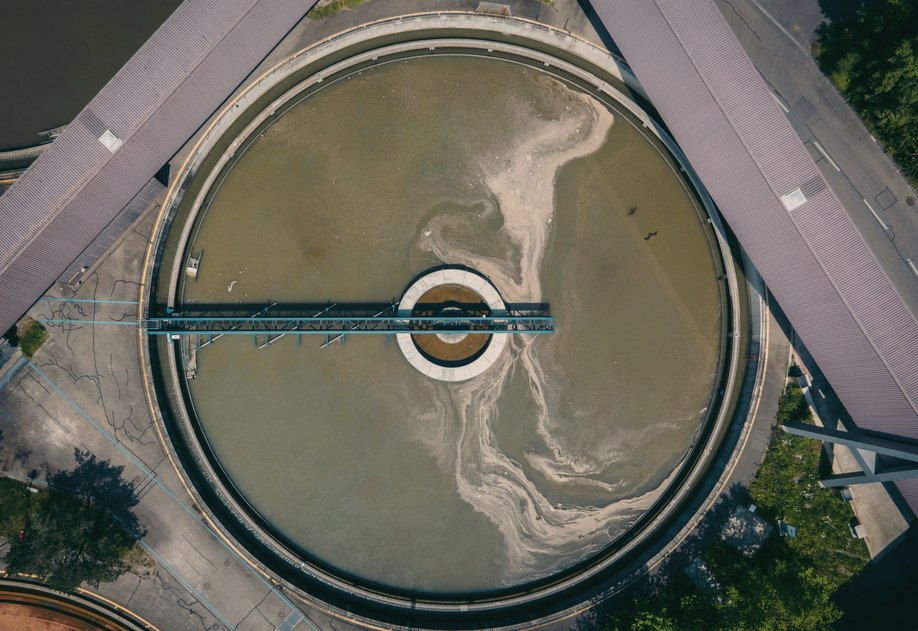
One water treatment plant, read in 92 seconds
The drawings, the equipment table on sheet D.2.1.2 and the bill, and where they disagree.Watch the film
What happens to your documents
Where the current build runs, and why your documents are not used to train models.Read more
Send us one set of drawings. We’ll show you what we find.
One set of drawings is enough to start. Martin Studna, co-founder, is your contact.